November 10
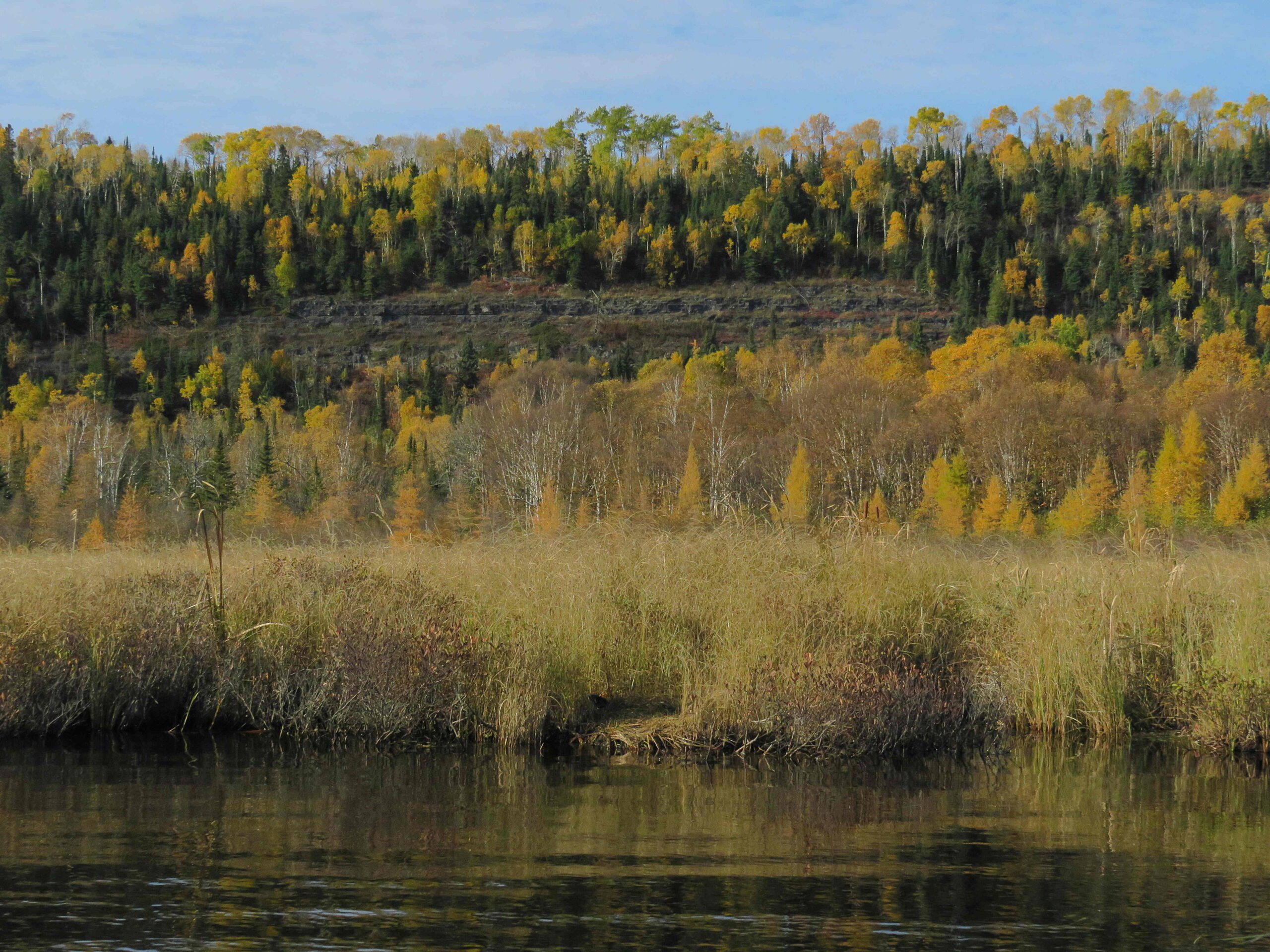
Thunder Bay Field Naturalists Club (TBFN) is celebrating! After more than 30 years of trying to buy this important conservation property at Caldwell Lake, the local nature club has finally succeeded.The purchase, completed on November 6, adds more than four kilometres of pristine Superior
shoreline to TBFN’s existing Caldwell Lake Nature Reserve. The parcel also includes 737 acres of land and a significant amount of shoreline on Caldwell Lake itself.
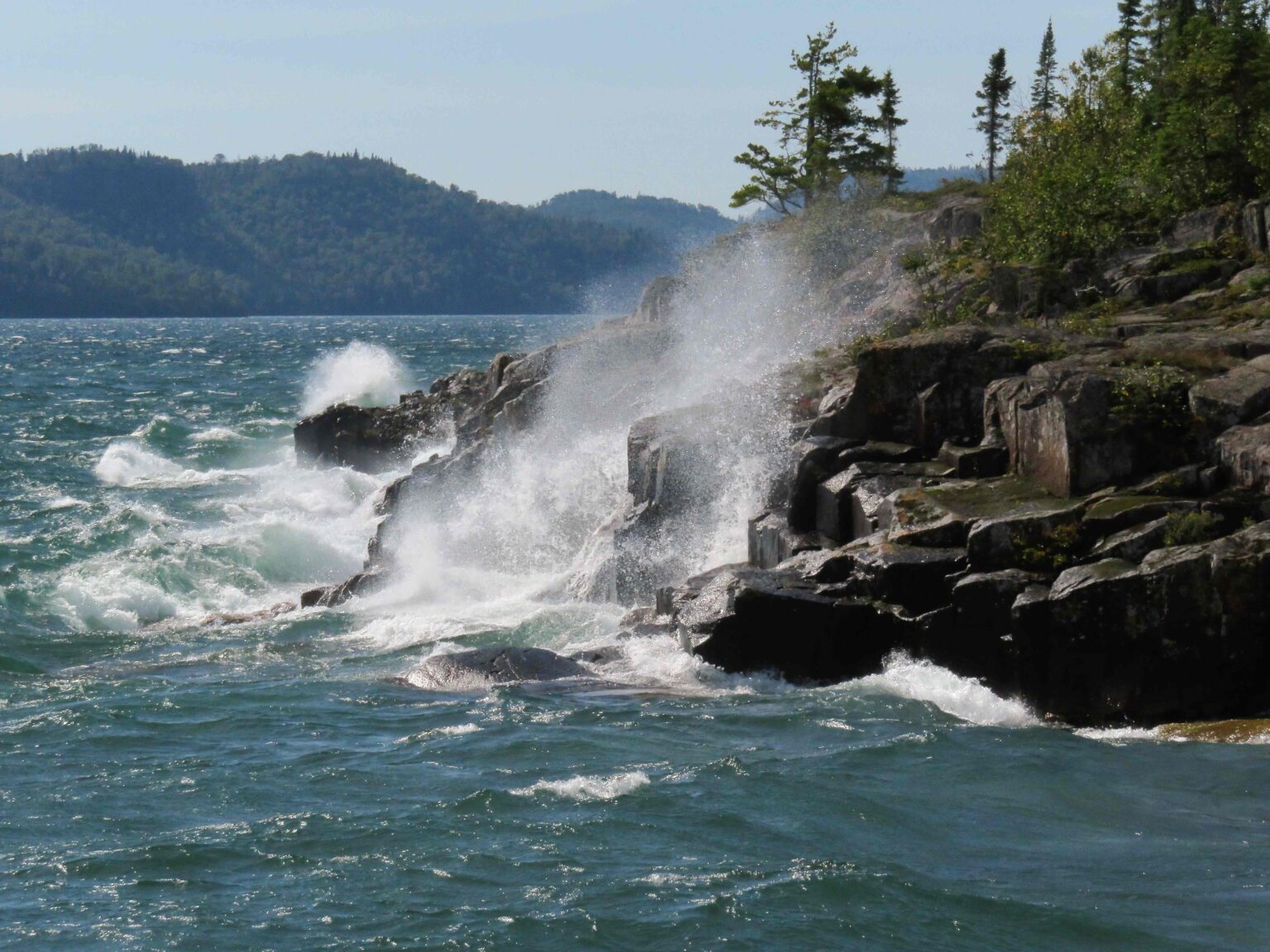
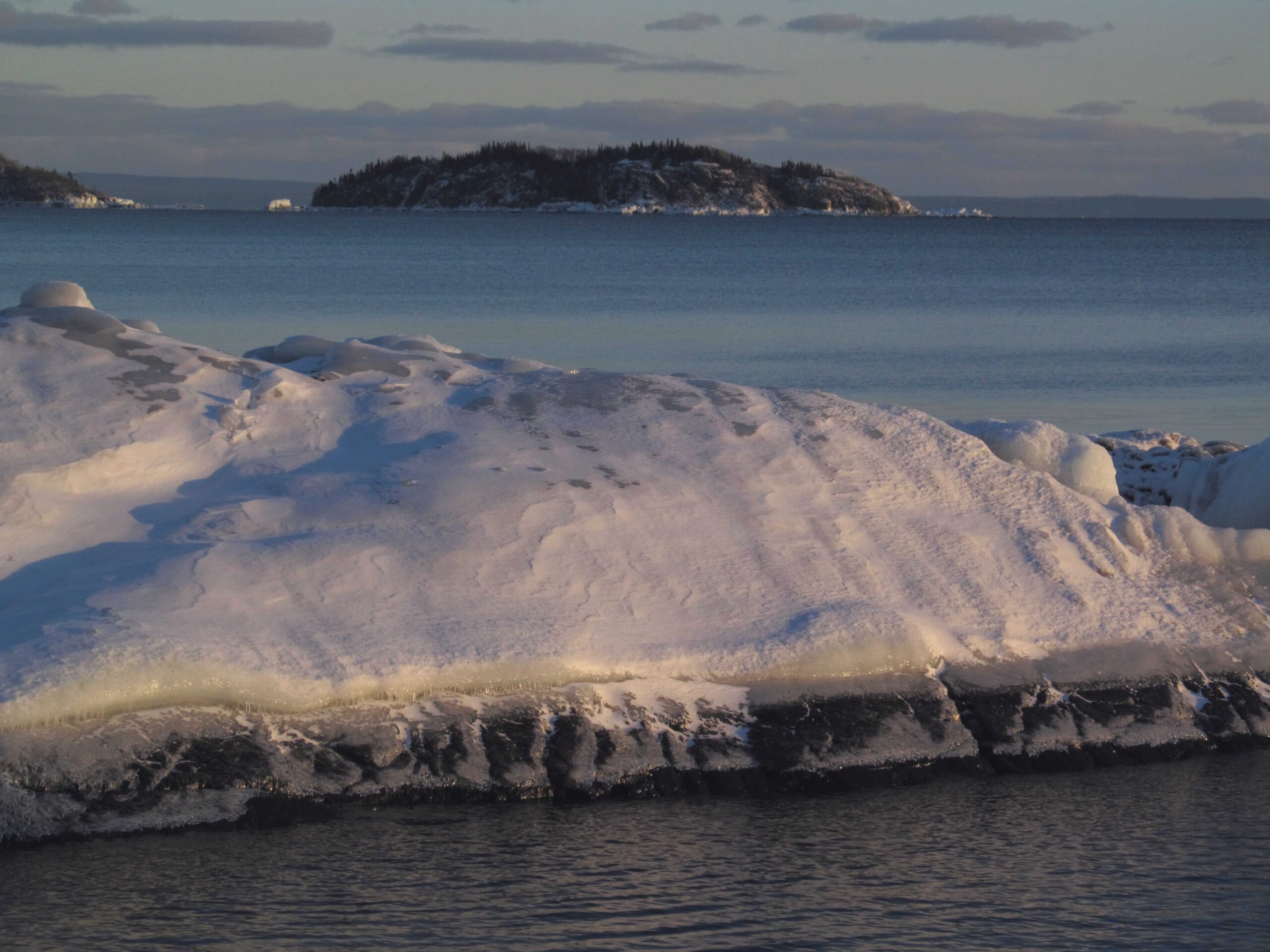
The property includes some impressive scenery along Lake Superior – high cliffs and scenic bays in a roadless and wild section of coastline. Bald eagles and peregrine falcons nest nearby and hunt along these shores. This section of the Superior coastline is one of Canada’s iconic landscapes. The rugged
rocks and forests of the Canadian Shield have inspired people for generations. Lake Superior is a gateway to nature, with large pristine wilderness areas and coastlines, intact forest ecosystems and an abundance of unique plant and animal species. TBFN is happy to protect this land and share its
natural wonders with the public.
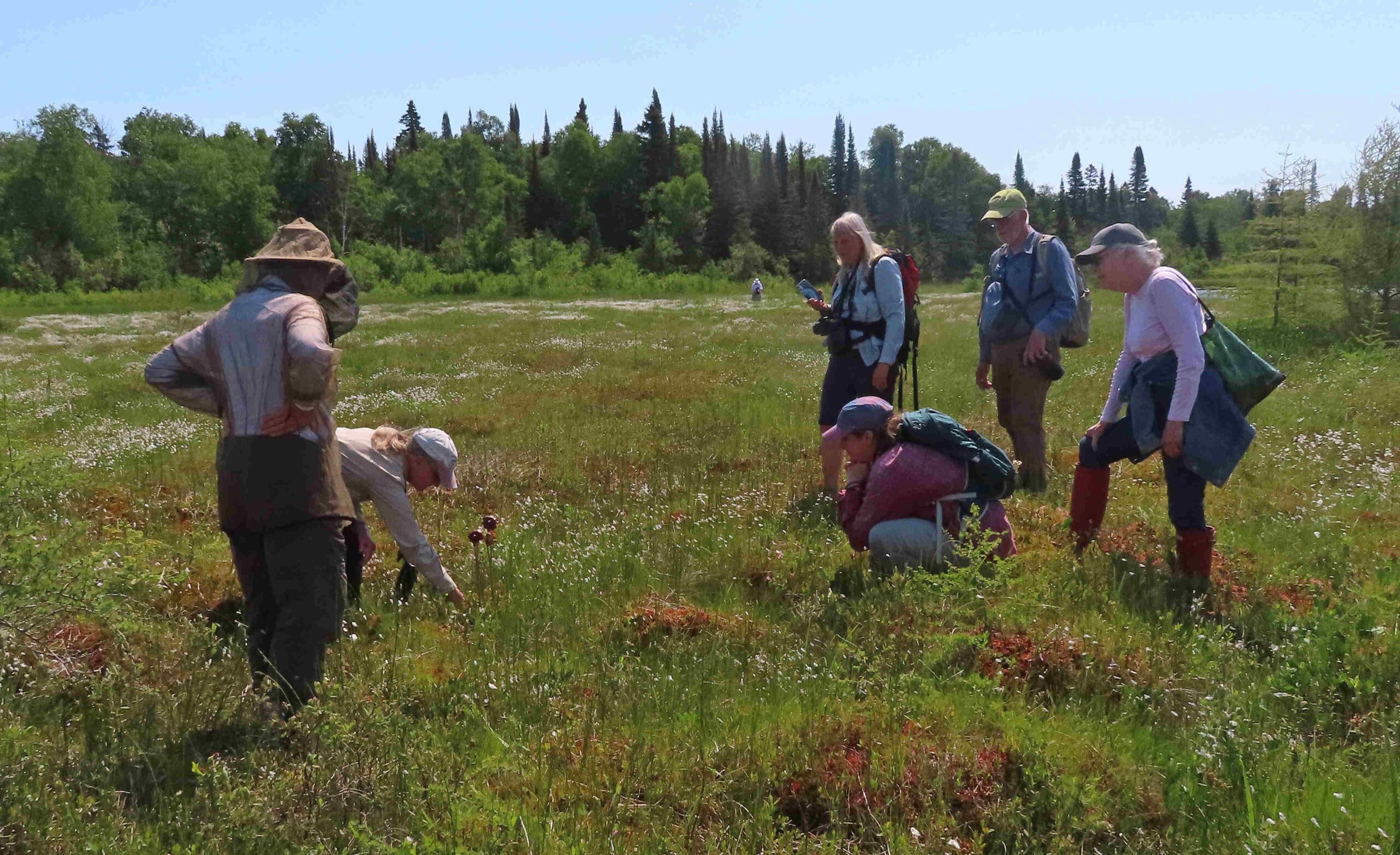
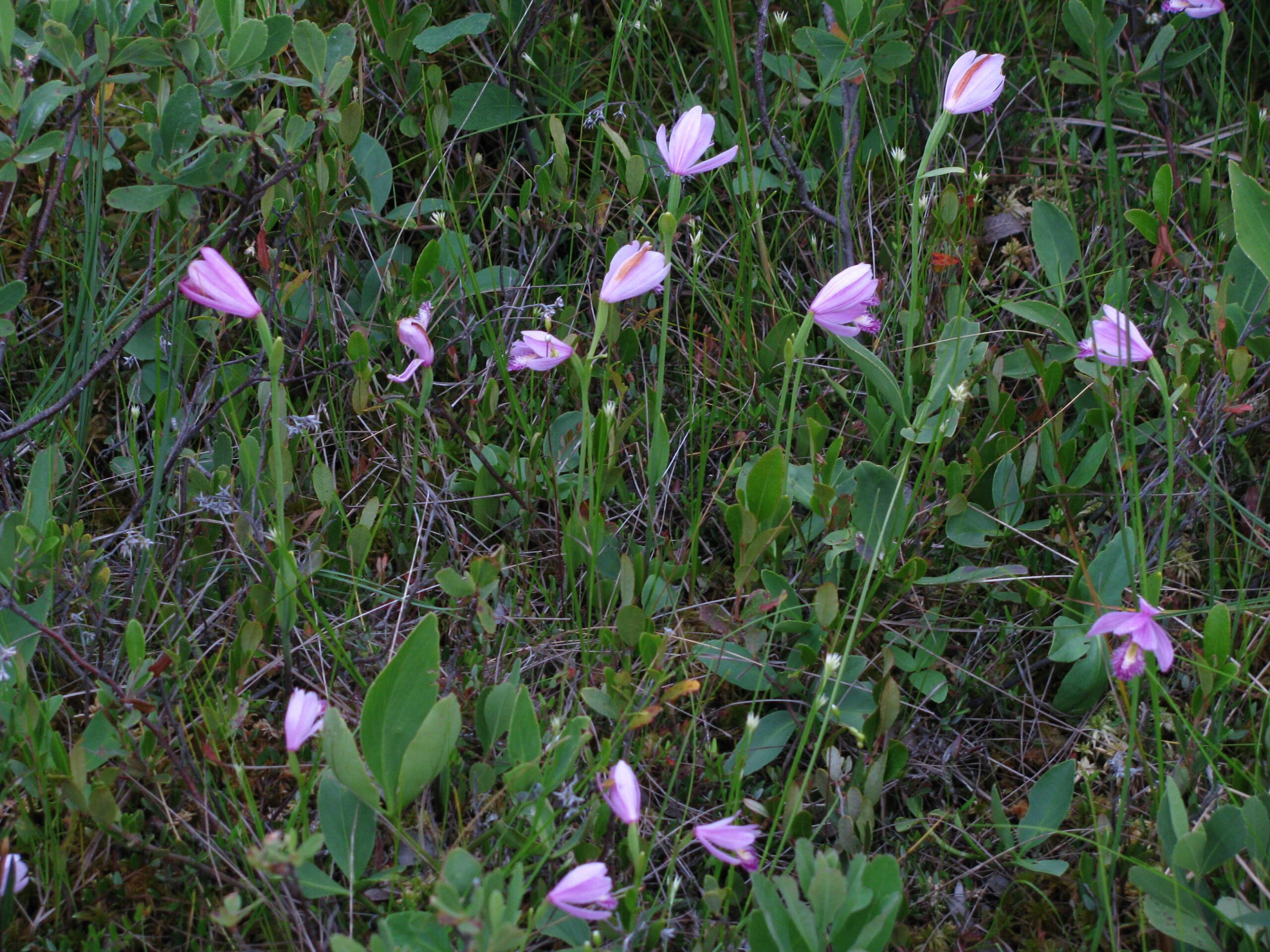
Seventeen different species of orchids grow on the property, some in large numbers. In June and July, hundreds of pink orchids bloom on the floating fen along the shores of Caldwell Lake. Insect-eating plants of many varieties thrive here. Caldwell also provides valuable habitat for nesting loons, ducks, swans and rails. The lake itself and the surrounding fen have been designated a Provincially Significant Wetland (PSW). TBFN bought the parcel from a land development company that held it for many years with a view to eventual development. Strong support from both federal and provincial governments, several private foundations, and many individual donors allowed TBFN to proceed with the purchase. The Thunder Bay Field Naturalists Club wishes to recognize the Government of Canada’s Natural Areas Conservation Program-Land Trust Conservation Fund and the Province of Ontario’s Greenlands Conservation Partnership program for their support of this important addition to the Caldwell Lake Nature Reserve.
Quotes
“We’re proud to support the protection of land near Lake Superior in Ontario through the Natural Heritage Conservation Program. Thanks to our work with the Thunder Bay Field Naturalists Club, 298 hectares of shoreline, forest, cliffs, and scenic bays are now protected. This isn’t just about land—it’s about protecting the habitat of species at risk, like the Canada warbler and the little brown myotis, and making sure future generations can experience the biodiversity and beauty of this region. Together, we’re building a more resilient future for nature and for all Canadians.” – The Honourable Julie Dabrusin, Minister of Environment and Climate Change
"Adding this remarkable stretch of Lake Superior shoreline to the Caldwell Lake Nature Reserve is a powerful example of what local conservation leadership can accomplish with support from the Greenlands Conservation Partnership program. Through this fund, the province is helping protect unique landscapes like this — home to rare plants, wildlife, and stunning natural features. It’s a win for conservation and for future generations, who will get to enjoy and learn from these landscapes.”
— Todd McCarthy, Minister of the Environment, Conservation and Parks
Facts:
- Caldwell Lake Nature Reserve is located 35 kilometers (55 kilometres driving distance) south of the City of Thunder Bay in the Municipality of Neebing. The new property does not have road access, facilities, or trails on site. It is best visited by boat along the Lake Superior shore. A prominent feature of the property is a long line of cliffs rising straight from the waters of Lake Superior along the western shore of Crystal Bay. Caldwell Lake and
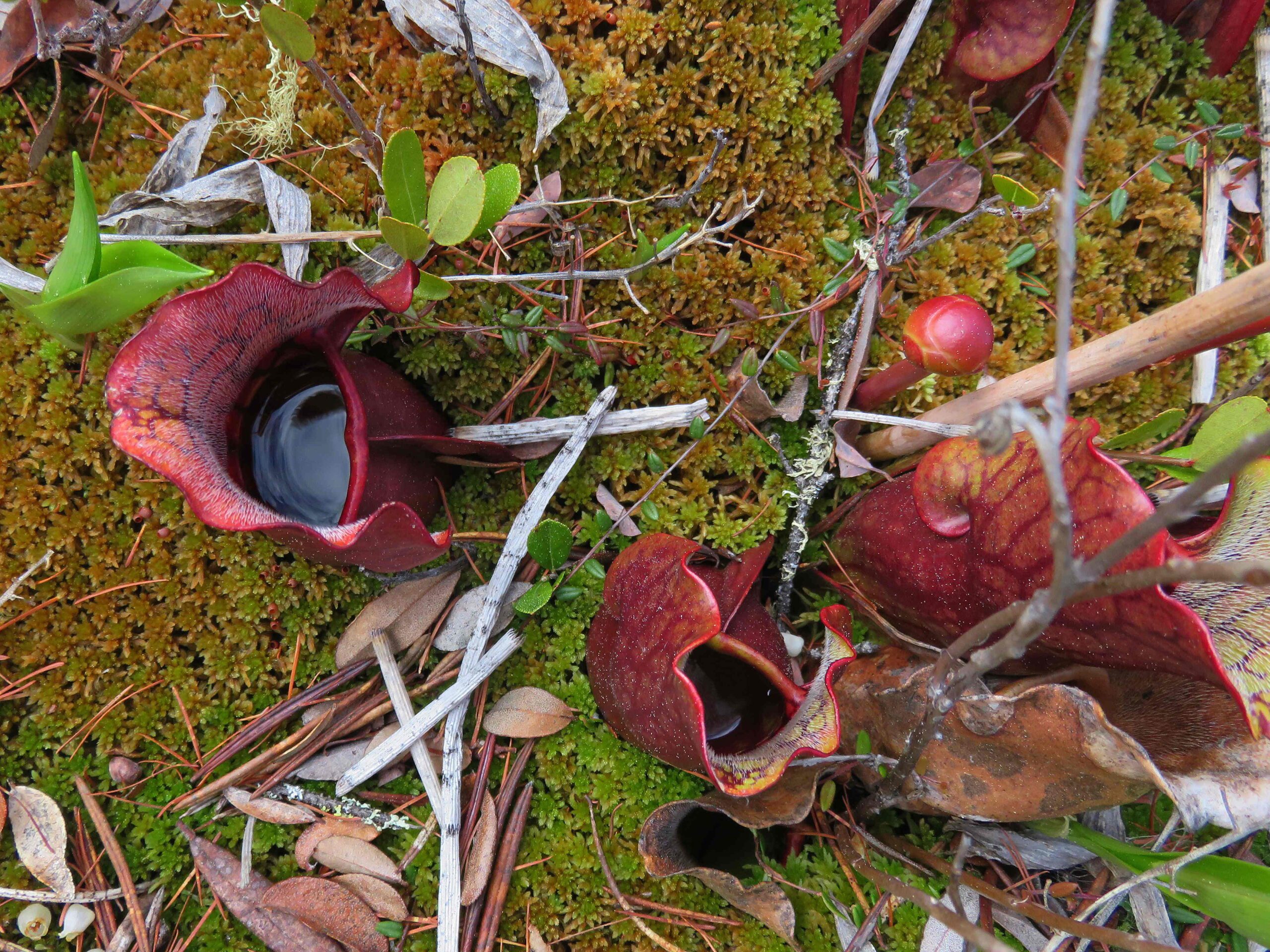
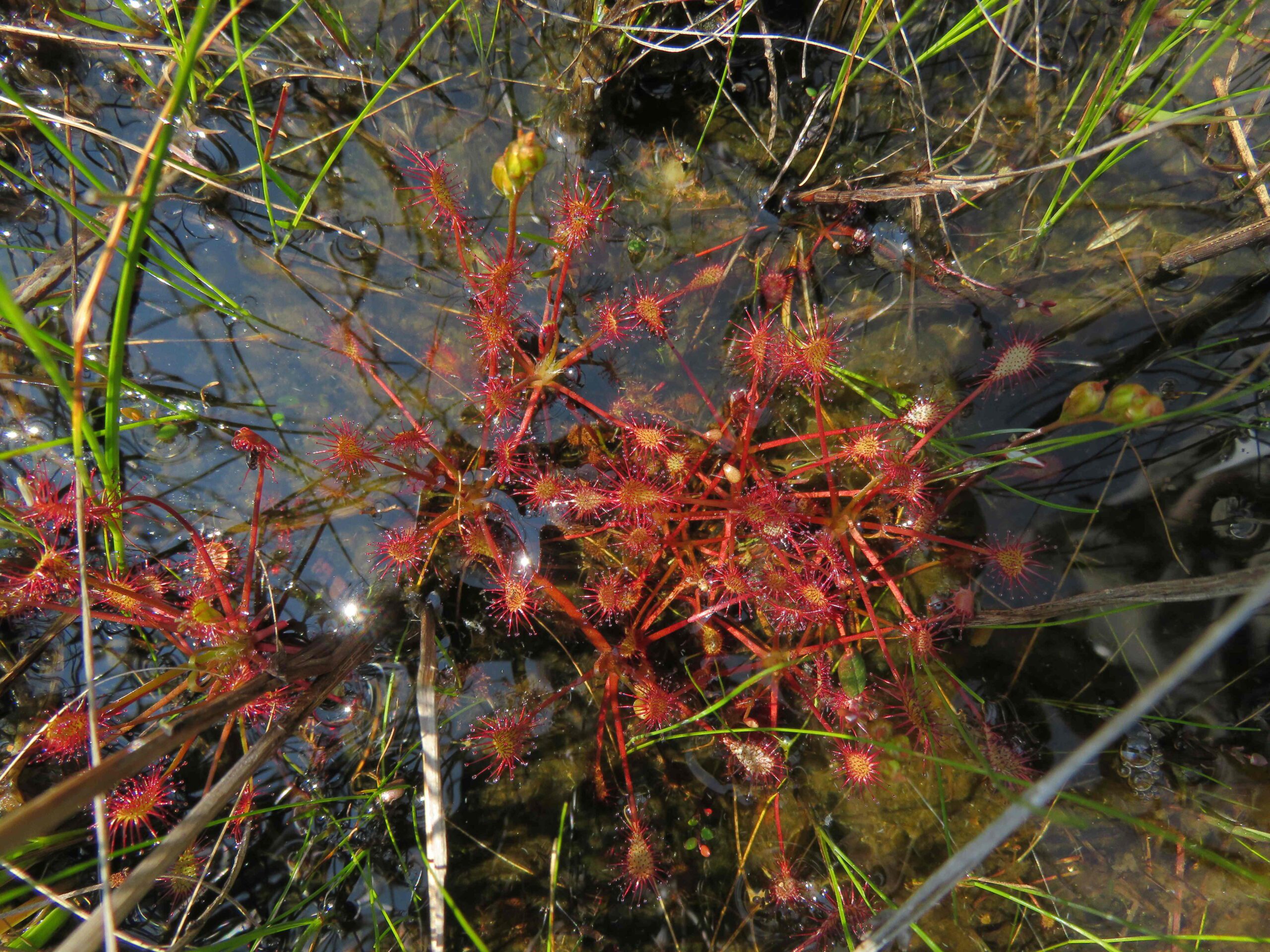
its surrounding wetlands are considered Provincially Significant. They feature a floating shoreline fen, orchids, and nesting waterfowl. The small lake also serves as an important stopover for migrating ducks and geese - The many insect-eating plants found in the Caldwell Lake shoreline fens are of particular interest. These plants are truly carnivorous – they obtain nutrients, particularly nitrogen, by
attracting insects with their bright colours and sweet odours. The insects are caught by the plant, die and are then digested by the plant to obtain food. These plants use various means to kill their prey. Sundews and butterworts use sticky secretions to mire the insect’s legs and wings. Pitcher plants lure the insect into a pitcher-shaped leaf with water in the bottom. Protruding hairs inside the pitcher prevent the insect from crawling out, and it drowns in the water. Bladderworts catch their prey under the water, in tiny traps that snap shut around them.
About Thunder Bay Field Naturalists Club
First established in 1932, Thunder Bay Field Naturalists Club is a registered charitable organization in Northwestern Ontario with approximately 250 members. Purposes of the group are the study of natural history, wise use of natural resources, preservation of natural areas and public education. In support of these goals, the group runs a variety of programs, ranging from hikes to indoor educational sessions.
TBFN established its Nature Reserves program in 1990, in response to concerns about the many land-use demands on the forests and wetlands of Northwestern Ontario. Currently, TBFN protects over 10,000 acres (4,000 hectares) in 24 separate reserves. In addition to protection, the reserves are used to inform the public about natural history and habitat protection, and offer opportunities for public nature appreciation and outdoor recreation. TBFN is an active member of the Ontario Land Trust Alliance. For more information, visit: www.tbfn.net.
About the Government of Canada’s Natural Heritage Conservation Program (NHCP)
The Government of Canada’s Natural Heritage Conservation Program (NHCP) is a unique partnership that supports the creation and recognition of protected and conserved areas through the acquisition of private land and private interest in land. To date, the Government of Canada has invested more than $500 million dollars in the Program, which has been matched with more than $1 billion dollars in contributions raised by Nature Conservancy of Canada, Ducks Unlimited Canada and the country’s land trust community leading to the protection and conservation of more than 840,000 hectares of ecologically sensitive lands.
About the Province of Ontario’s Greenlands Conservation Partnership (GCP) Program
The Greenlands Conservation Partnership program is the single largest provincial fund to secure private land in Ontario. This unique program, administered by the Ontario Land Trust Alliance, leverages non-governmental dollars to acquire, restore and manage privately owned natural areas such as wetlands, grasslands and forests. For every dollar of provincial funding provided, grant recipients match it with a minimum of $2 from other conservation partners, including individual donors, foundations and other levels of government. Since 2020, the Ontario government has invested $58 million into the program, which has helped to protect over 430,000 acres (174,310 hectares) of private land across the province – more than 2.75 times the size of Toronto.
About Ontario Land Trust Alliance
Ontario Land Trust Alliance (OLTA) focuses on providing community, knowledge sharing and support to land trusts across Ontario. It empowers and supports highly effective, well-governed land trusts that engage their communities to protect forests, wetlands, nature, and water sources and provide natural climate solutions. OLTA builds capacity through training and educational programs, connecting land trusts to each other, resources, and their communities, leading and supporting on-the-ground conservation work, sharing knowledge and best practices, reducing financial barriers to land conservation, promoting organizational excellence, providing access to current research and acting as a voice for land trusts among the public, governments, and other rightsholders.
Our impact is Ontario-wide through 51 connected charities and communities. OLTA’s local land trust members currently collectively own and steward over 2,000 natural areas and green spaces across Ontario, with the leadership of thousands of supporters and volunteers annually. To support your local land trust, visit: www.OLTA.ca.
Media Contact:
Susan Bryan, Nature Reserves Chair, Thunder Bay Field Naturalists Club
1-807-345-6446 (or 1-807-627-4556) bryan@tbaytel.net