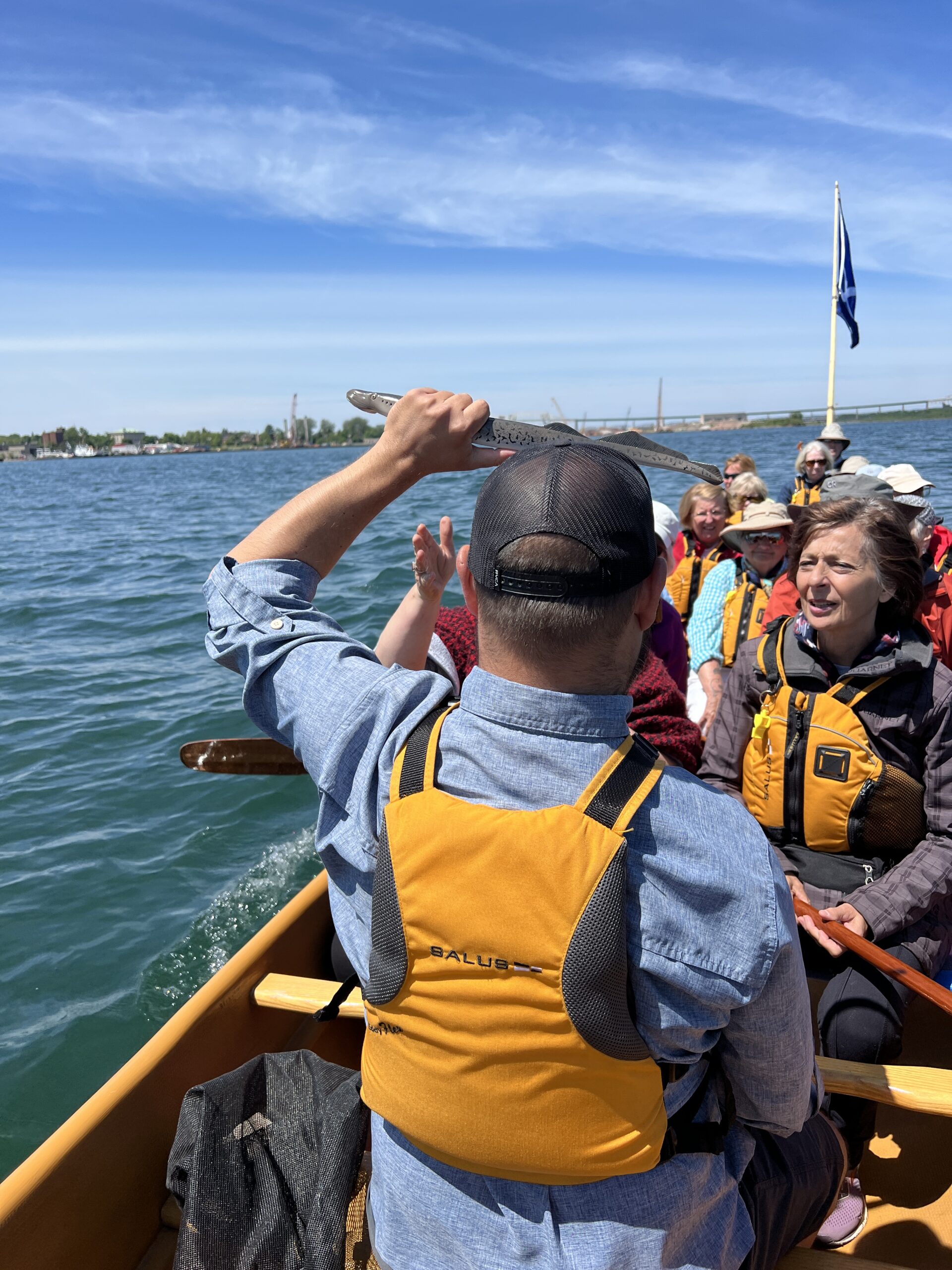
On a recent walk as part of our work on engaging communities with nature, we came across a patch of dog strangling vine. Our walk guide, Turtle Protectors’ co-founder Carolynne Crawley, explained that many Indigenous people avoid the word “invasive”, preferring instead words like “guest”, which identifies that a species is not native to this place, without carrying negative or militaristic connotations. As we recognize Invasive Species Awareness Week this February 23rd to March 1st, it’s an opportunity to reflect on our relationships with these species.
Plants, insects, and other animals are designated invasive when they have been introduced to a region where they don’t have any natural predators, allowing them to outcompete native species, threatening biodiversity and causing changes to local ecosystems. Some well-known such species in Ontario include swallowwort (which you may know as dog strangling vine), phragmites, emerald ash borer, and the sea lamprey in the Great Lakes. As any land trust conservation staff member knows, the impact of these species is significant.
As we work to address these impacts, there is an opportunity to learn from and with Indigenous nations. Two-eyed seeing is a Mi’kmaw framework that is being adopted in many settings that encourages working on shared issues by seeing through both an Indigenous and a Western lens, and it is beginning to be used in managing “invasive species” like the sea lamprey.
Increasingly, land trusts and Indigenous nations are growing partnerships. There are so many benefits to these partnerships, and one of them is the opportunity to rethink some settler-based attitudes towards ourselves and the natural world, and to bring two-eyed seeing to our work. From names like “dog strangling vine” to the term “invasive” itself, a lot of mainstream settler language around these species evokes and amplifies fear and a sense of being at war. As Carolynne of Turtle Protectors pointed out, the way we think and talk about fellow species, and ourselves as humans, shapes our relationships with the land and each other.
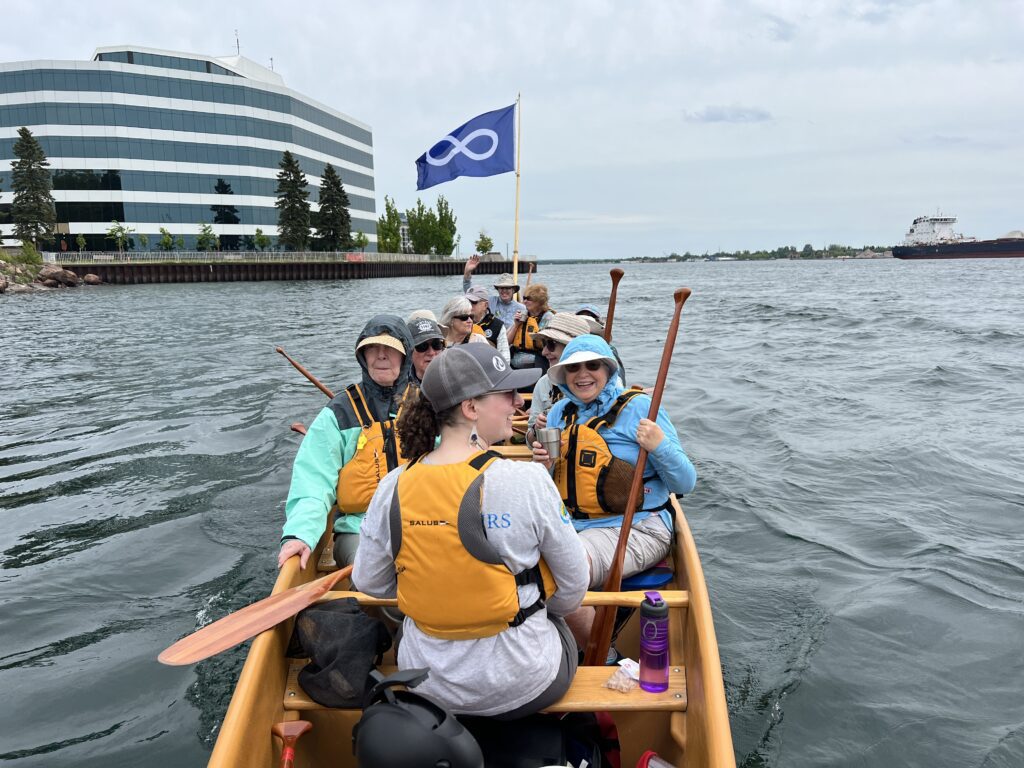
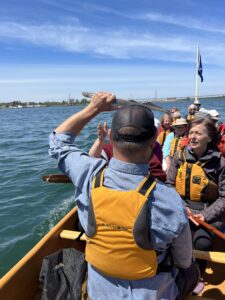
The Lake Superior Watershed Conservancy has been partnering with the Huron-Superior Regional Métis Community in Sault Ste. Marie to offer walking and paddling tours for the past five years. Joanie McGuffin of LSWC shared how this partnership has led to changes in the ways the land trust thinks about species like sea lamprey and phragmites which are common in the area, leading to a shift from “How can we eradicate you?” to “How can we live with you?” and “What gifts do you have that I could be grateful for?”
Changing from adversarial language to more relational language doesn’t change the significant impact a species might have, and it doesn’t preclude taking action to mitigate and prevent this damage, but it does change our relationship with them.
Have you ever eaten or used an “invasive” species? Eating “invasives” is one solution, and can often require an intentional rethink because negative attitudes created by the “invasive” label have made it unlikely that we’ll put certain foods on the menu. Foods like garlic mustard pesto, kudzu root, dandelion greens (not always an invasive, but often very abundant), and rusty crayfish are just a few of the tasty possibilities. One benefit of eating these species is that you don’t have to worry about overharvesting! However, it is necessary to take precautions to ensure that these species aren’t accidentally spread in the process; in fact, it is illegal to transport some species, which may still pose a barrier to eating them now.
A more relational approach to guest species also means recognizing that humans, including settlers, are part of the ecosystem too. And this perspective can help us to go forward not in blame towards ourselves or other species, but in reconciliation and responsibility.
Read more about Two Eyed Seeing and “invasive species” here: Shifting the Language of Invasion Ecology: Two-Eyed Seeing as a Framework for Discourse Regarding Invasive Species.